Global Shifts Reshaping the Furniture Market
The furniture industry is undergoing a profound digital transformation. Not long ago, buying a new sofa or dining set meant visiting expansive showrooms; today, more consumers than ever are shopping for furniture online. In fact, the global online furniture retail market has swelled to around $257 billion and is on track to exceed $430 billion by 2029 . E-commerce now accounts for nearly 30% of all furniture sales worldwide, a share expected to keep rising each year . This surge is fueled by changing consumer behavior: buyers have grown comfortable making big-ticket purchases from a screen, especially with improved delivery logistics and digital tools that help them gauge fit and style. Moreover, modern consumers demand more personalization in what they buy. The furniture category now sees about 25% of its online sales coming from custom-made products, the highest of any retail category . Shoppers—especially younger generations—want sofas tailored to their color preference or modular shelving configured to their needs. They also expect a seamless, rich online experience. According to a McKinsey study, 71% of consumers now expect personalized service when they visit an e-commerce site, and most will feel frustrated if brands don’t deliver . Simply put, customers crave choice and customization, and they want it on-demand.
These trends offer opportunity but also pose a challenge for the furniture industry. As online demand grows, the cost of capturing that business is climbing. Retailers find themselves competing in digital advertising auctions for high-value customers: the average cost per lead for furniture via search ads is a steep $119, one of the highest across retail sectors . Meanwhile, maintaining physical showrooms is more expensive than ever, with overheads from real estate, inventory, and staff easily reaching six figures annually . It’s no surprise that some forward-thinking furniture retailers are beginning to ditch the showroom model entirely. Companies like Westwing and Sklum, for example, have opted to go online-only, foregoing physical stores to focus on digital channels . Their strategy reflects a new reality: to stay competitive, sellers must offer vast selection and personalization without the luxury of infinite showroom space.
Image Credit: Eleganza AI
Why Traditional Solutions Fall Short
In this evolving landscape, earlier approaches and tools are starting to show their age. Consider the traditional furniture showroom: it can only display a fraction of a retailer’s catalog due to space constraints, and it struggles to bring personalization beyond what’s in stock. Setting up room vignettes for every style or color variant is impractical. Yet online, customers expect to see everything—every color, configuration, and style—and envision it in their own homes. Catalogs and static photos alone can’t meet that expectation.
Digital stopgaps of the past decade aren’t fully solving the problem either. Professional CAD (computer-aided design) software and 3D visualizers are powerful tools for trained designers, but they are hardly customer-friendly or scalable for mass personalization. Rendering a realistic interior scene used to take designers hours or days of work, or else cost a fortune to outsource. High-end 3D rendering services typically charge $400 to $2,500 per image , making it infeasible to create bespoke visuals for every potential customer. Some retailers tried simpler online room planners or augmented reality apps to help customers visualize products. These tools are useful—Wayfair’s mobile AR lets shoppers project a 3D couch into their living room, and IKEA’s apps do the same —but they tend to focus on one piece at a time and still rely on the customer to do the designing. They don’t fundamentally change the process or speed of producing a complete design idea.
The limitations of these solutions are evident in industry pain points. One is the lengthy sales cycle: without a quick way to visualize options, furnishing a space can involve many back-and-forth consultations, revisions to plans, and indecision. Each iteration costs time, and time kills deals. Another pain point is the persistently high return rate for online furniture purchases, which can hit 30–40% (versus just 5–10% for in-store buys) . Why so many returns? Often because the product, once delivered, wasn’t quite what the customer envisioned from a photo – the sectional is a tad too large, or the fabric shade doesn’t match the room. Traditional methods have struggled to bridge this “imagination gap.” They either lack realism, interactivity, or the ability to tailor to the customer’s unique space and taste quickly. The result is lost sales and costly returns. Clearly, the status quo of static images and showrooms is falling short in an era when experience sells as much as the product itself.
Image Credit: Eleganza AI
Digital stopgaps of the past decade aren’t fully solving the problem either. Professional CAD (computer-aided design) software and 3D visualizers are powerful tools for trained designers, but they are hardly customer-friendly or scalable for mass personalization. Rendering a realistic interior scene used to take designers hours or days of work, or else cost a fortune to outsource. High-end 3D rendering services typically charge $400 to $2,500 per image , making it infeasible to create bespoke visuals for every potential customer. Some retailers tried simpler online room planners or augmented reality apps to help customers visualize products. These tools are useful—Wayfair’s mobile AR lets shoppers project a 3D couch into their living room, and IKEA’s apps do the same —but they tend to focus on one piece at a time and still rely on the customer to do the designing. They don’t fundamentally change the process or speed of producing a complete design idea.
A New Vision: Eleganza AI Steps In
Enter Eleganza AI, a new platform poised to address these very issues by reimagining how we design, visualize, and sell furniture. Billed as an AI-powered solution for the interior and furniture industry, Eleganza combines cutting-edge technologies to deliver something that was previously out of reach: instant, interactive, and hyper-personalized interior design at scale. In essence, it’s offering to turn the furniture buying process into a one-click experience – from inspiration to a shoppable reality .
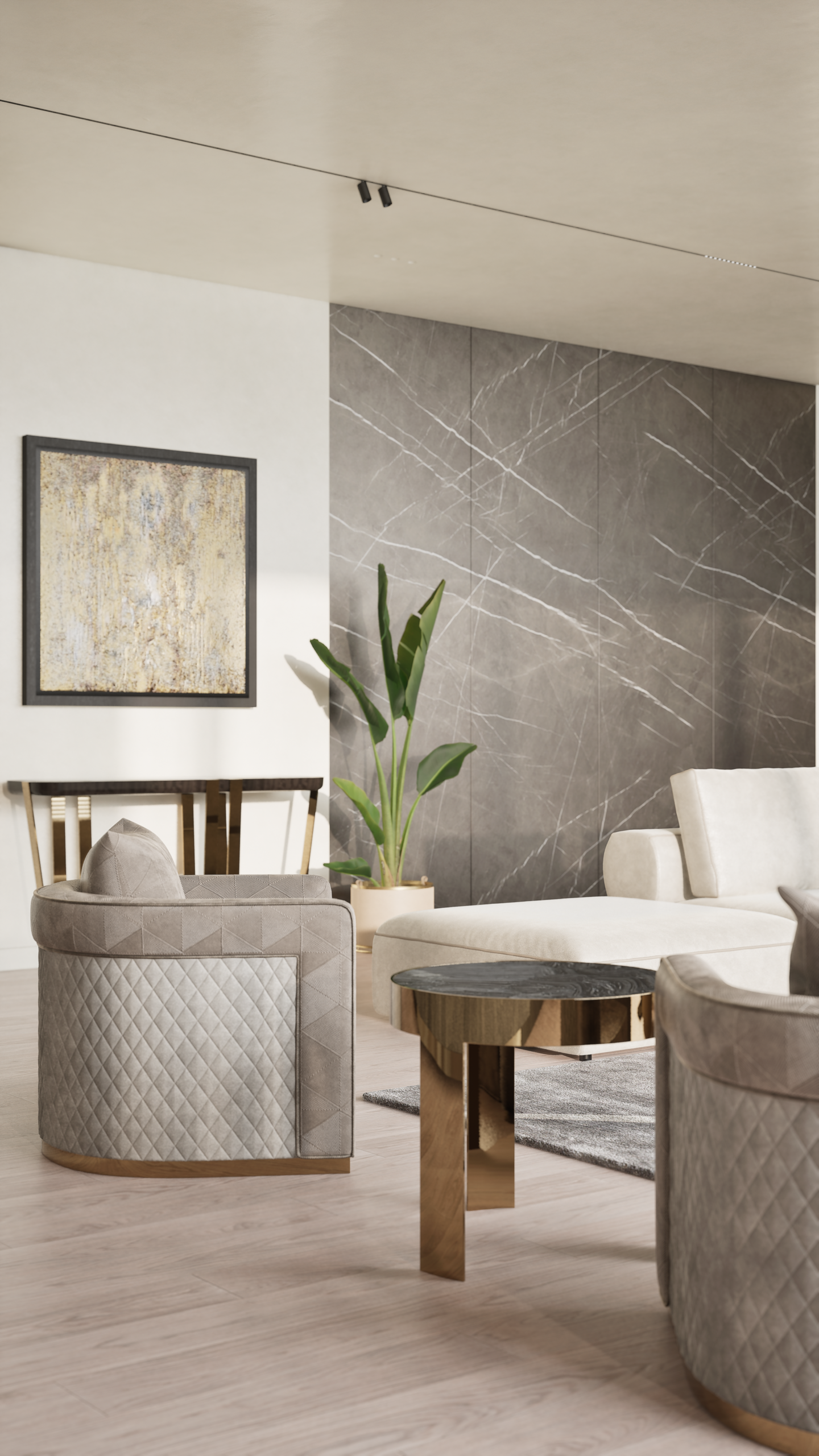
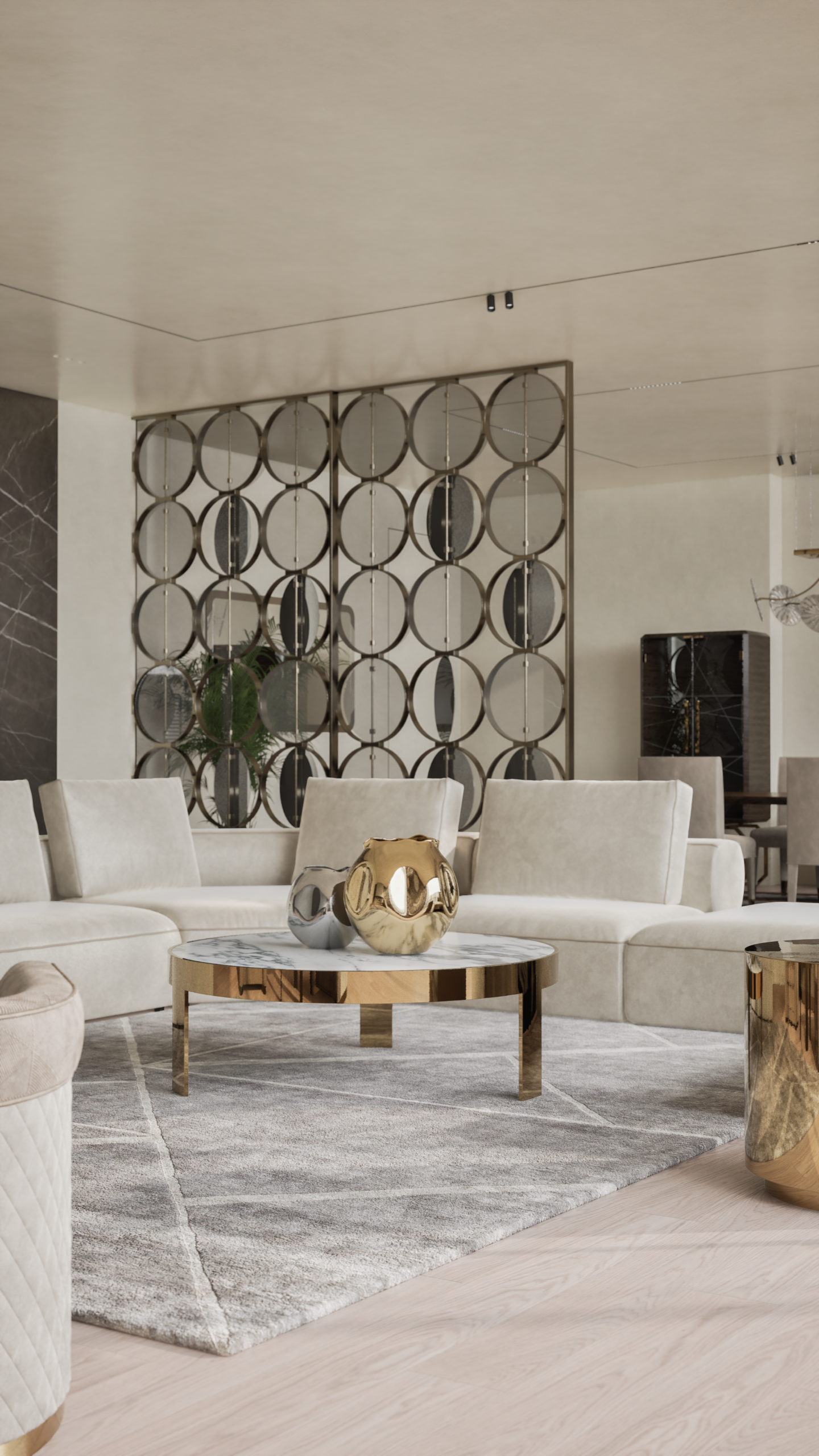
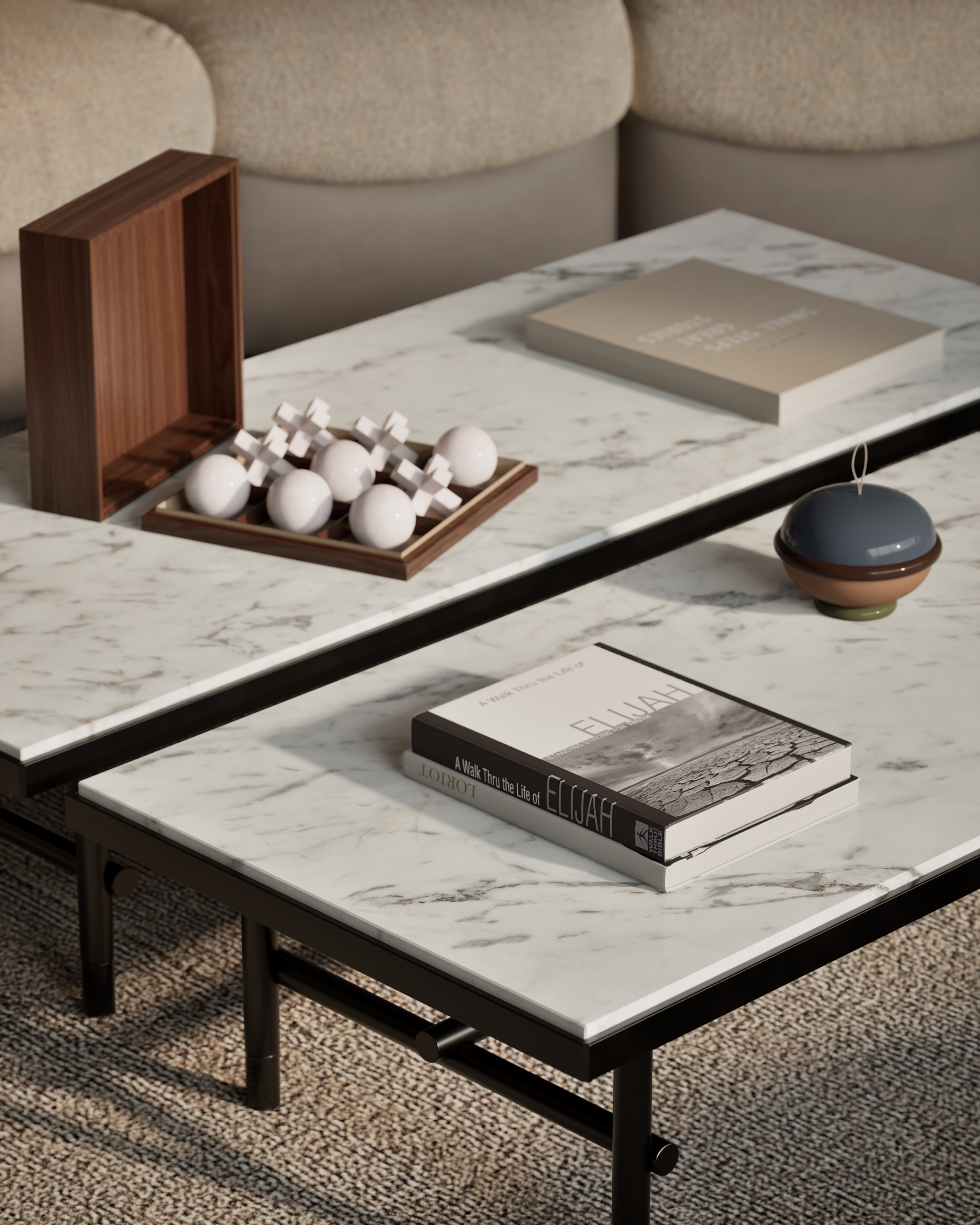
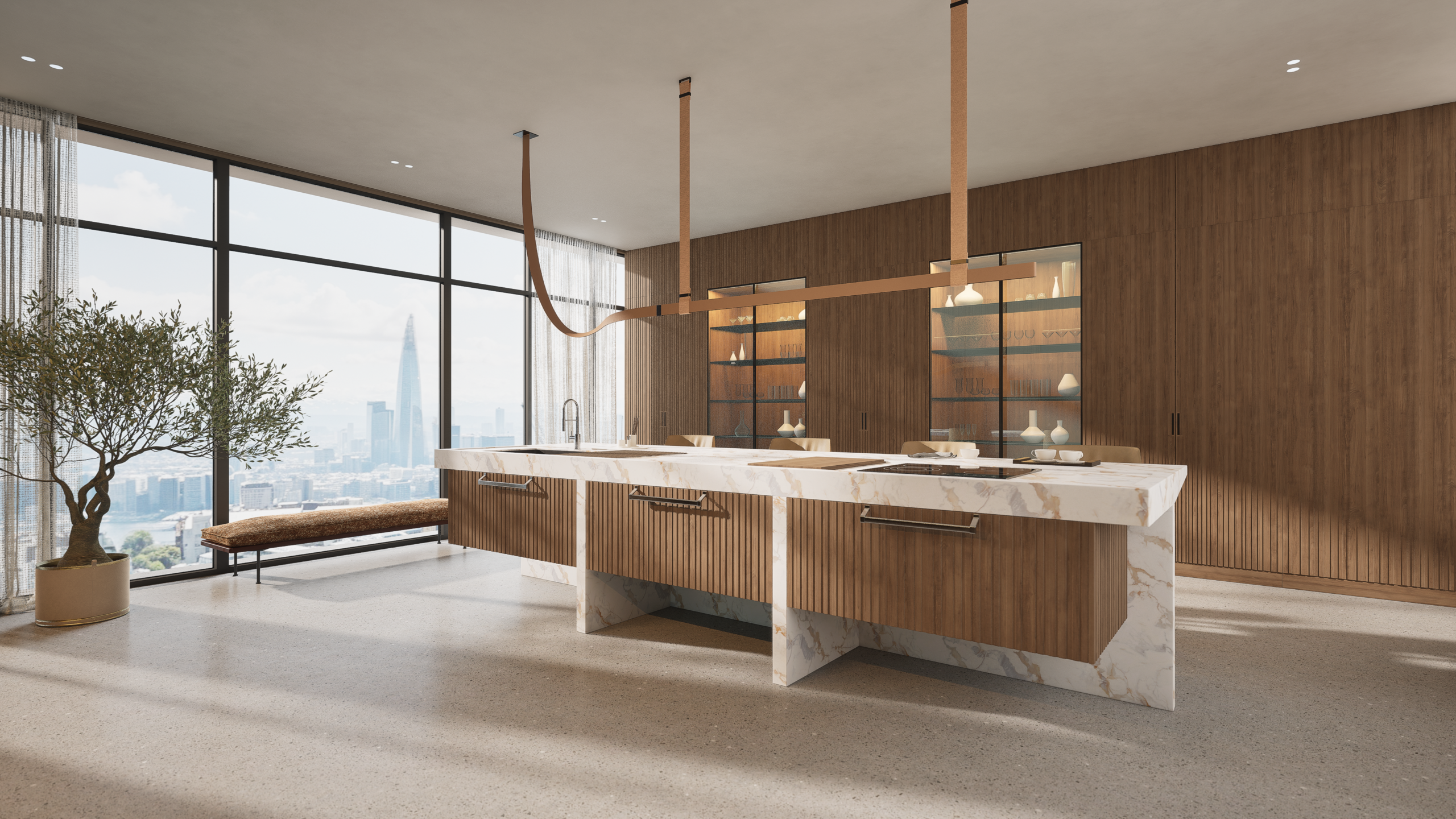
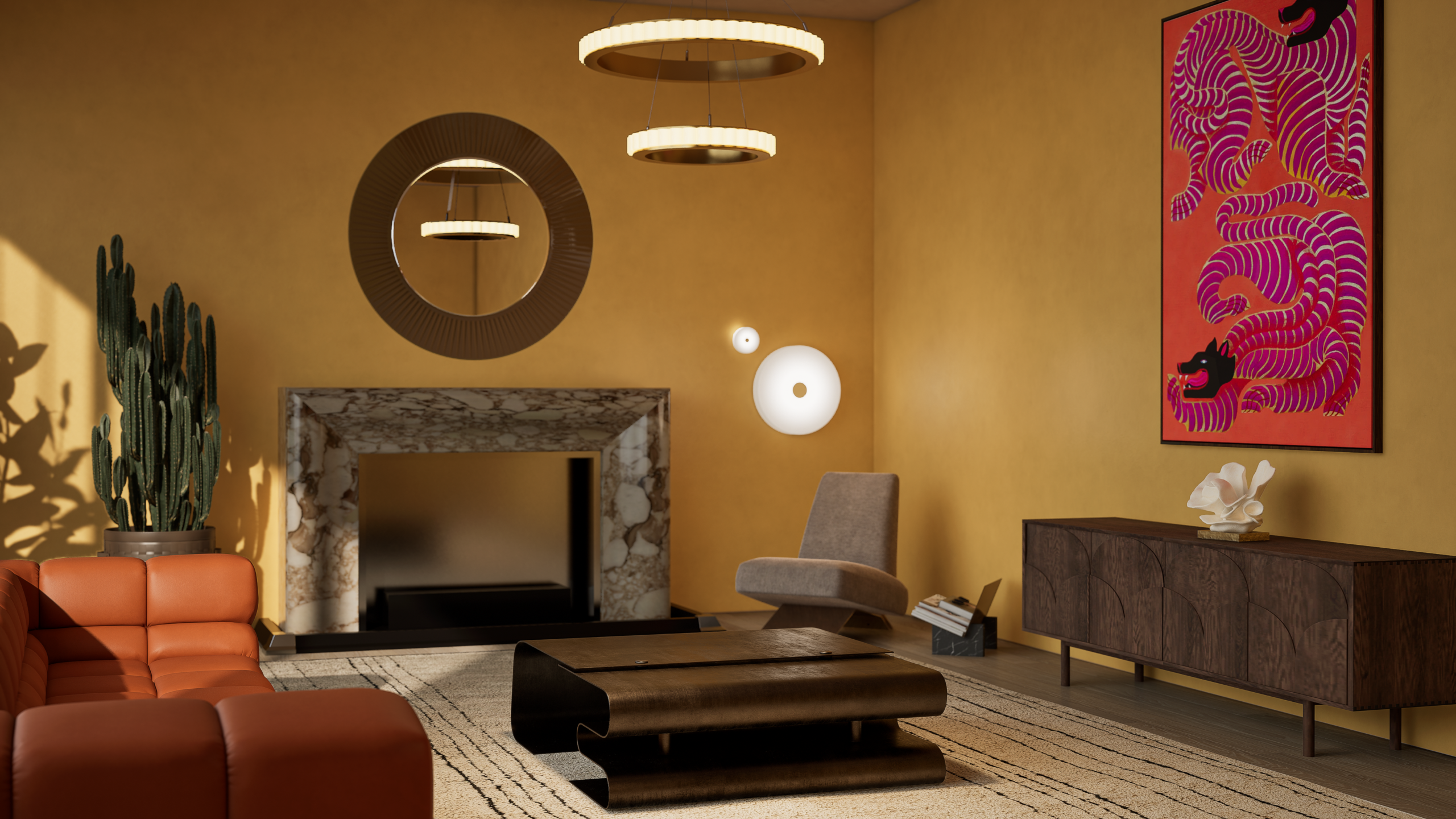
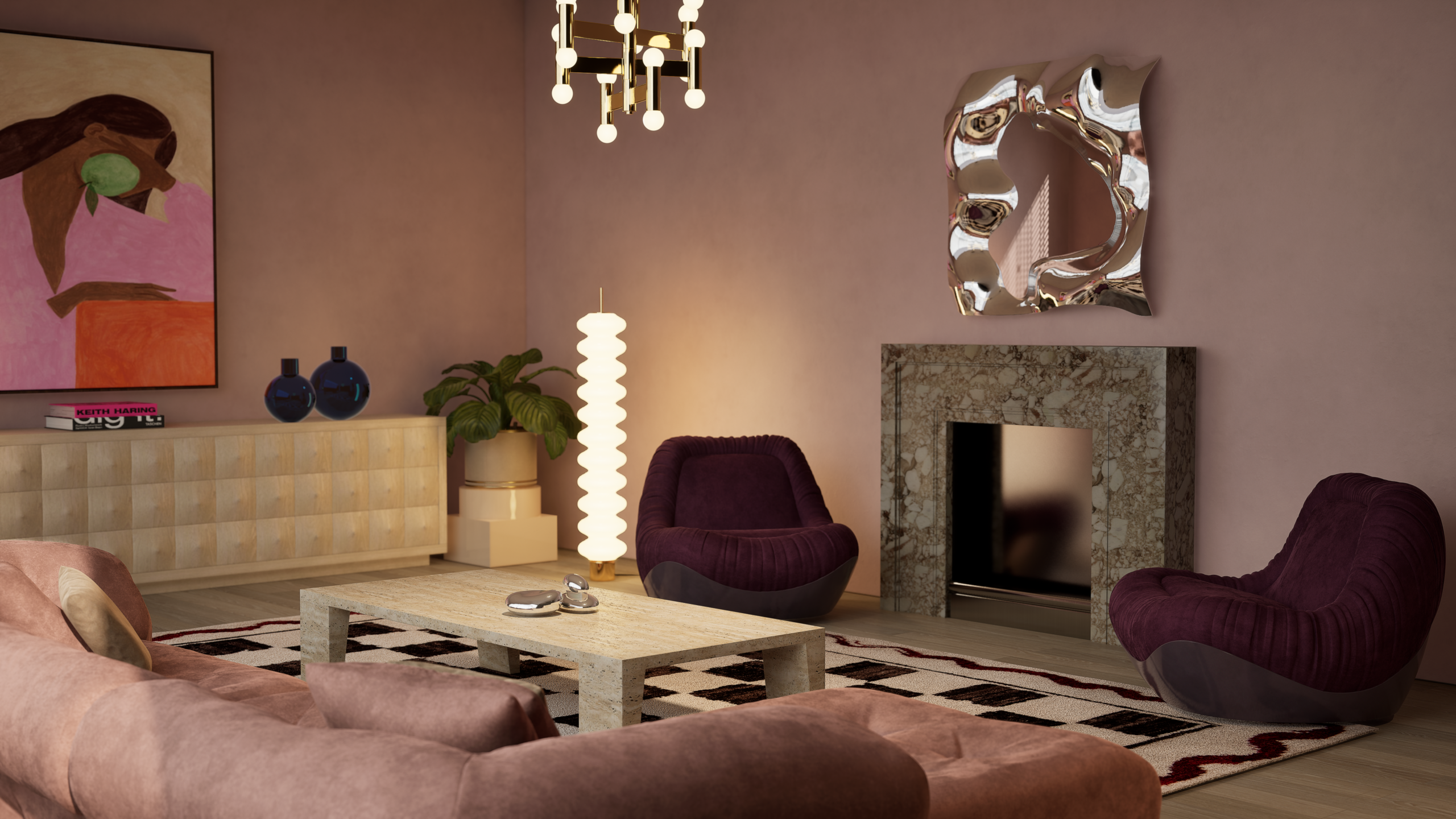
How does it work? At the core, Eleganza AI harnesses artificial intelligence and advanced 3D rendering to automate what used to be a labor-intensive task. A user (be it an interior designer, a furniture retailer, or an end-customer working with a dealer) can start by uploading a simple floor plan or room dimensions and selecting a style preference. The platform’s AI then springs into action, generating a fully furnished, decorated 3D model of the space within minutes. What’s remarkable is the quality and realism: the output is a photorealistic scene, not a crude schematic – you can almost feel the textures of the rugs and see sunlight bouncing off a polished table . Behind the scenes, the AI has been trained on countless images and spatial designs, enabling it to make sophisticated choices about furniture placement, style cohesion, and even lighting.
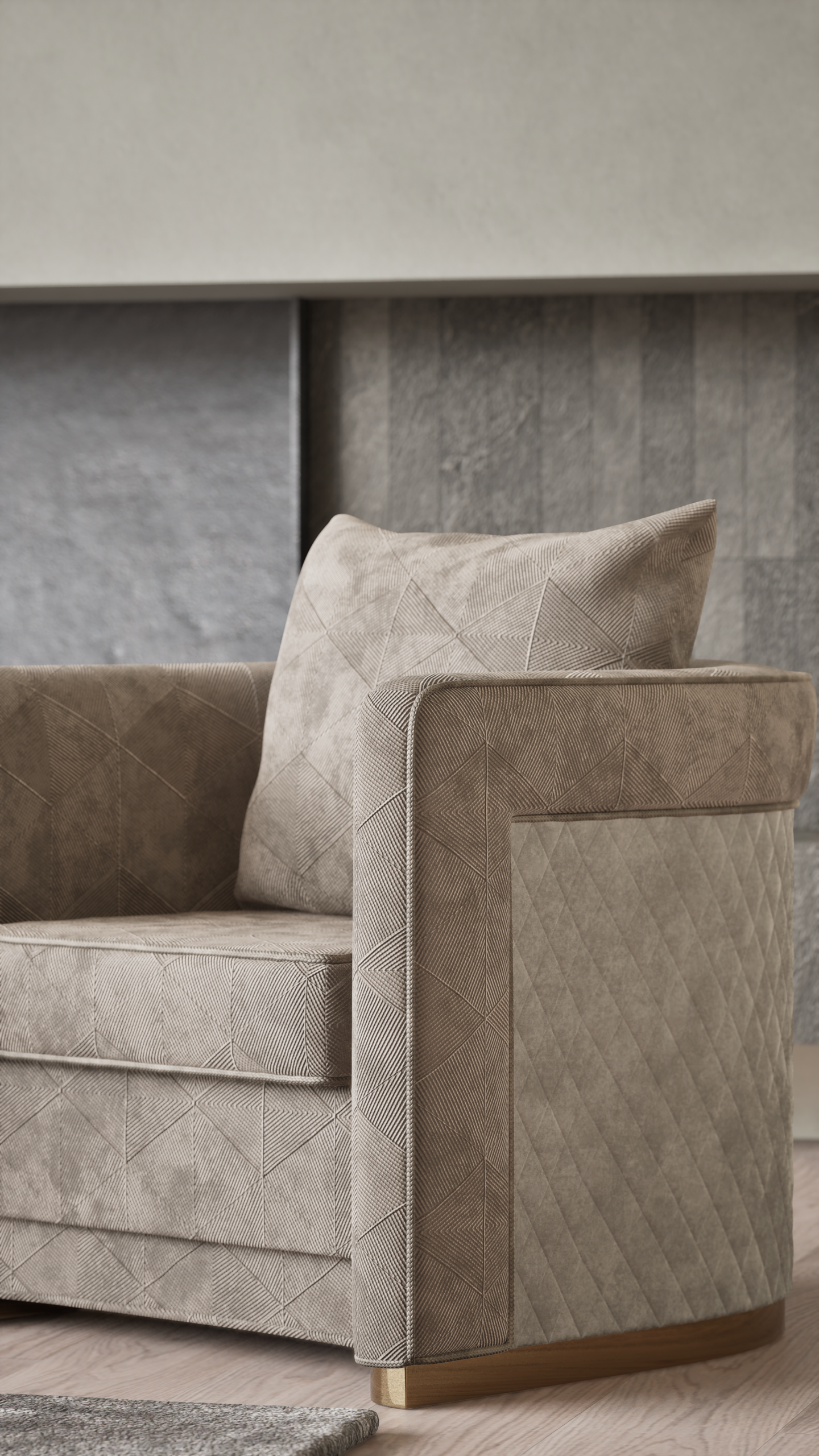
Crucially, the furniture and décor items populating these scenes are not just generic models; they are drawn from real manufacturer catalogs, meaning everything in the virtual room is a product that can be ordered in real life . This bridges the gap between fantasy and reality – what you see is truly what you can get. If the customer likes the look of that chic blue velvet sofa in the rendering, it’s not an abstract concept, but an actual item available for purchase. Eleganza thus serves as a digital 3D configurator and product catalog in one, marrying visualization with commerce.
The experience doesn’t stop at the first AI-generated suggestion. Eleganza AI makes the design process interactive and iterative, but at a dramatically faster pace than humans could manage. If something isn’t quite right in the rendering – say the client prefers a different coffee table style or the dealer wants to upsell a larger rug – changes can be made with a simple click. Swap out one sofa for another, move a virtual lamp, or try a different wall color, and within seconds the platform regenerates the scene with the adjustment applied . This kind of instant editing is a leap beyond previous visualizer tools. It means a prospective buyer can explore variations of their living room in real time during a single sitting, rather than waiting days for a designer to re-render an image. The result is a more engaging, “hands-on” shopping experience that keeps customers on your site or in your app longer, playing with options and inching closer to a purchase.
What truly sets this solution apart is how it ties everything together into an end-to-end sales tool. Eleganza isn’t just about pretty pictures; it’s about conversion. Each design comes with an automatically compiled shopping list of all the items used – complete with specifications and pricing – essentially a ready-to-go quote. Generating a professional, itemized commercial offer can be done in a few clicks once the design is finalized. This addresses a huge inefficiency in the traditional model, where even after a customer decides on furniture, finalizing the order and price quote can take days of manual work. With Eleganza, the moment a customer is happy with their virtual room, they can immediately receive a detailed quote or even proceed to checkout, drastically shortening the sales cycle. For B2B clients (furniture dealers or manufacturers), this means faster deal closure and the ability to handle more clients with the same staff.
Importantly, Eleganza’s AI also considers practical constraints that make the difference between a whimsical rendering and a viable design. One of its notable features is budget optimization: the system can be instructed on a budget range and will ensure the suggested products collectively stay within it . This is a game-changer for salespeople working with cost-conscious customers – they can instantly show the best possible design that doesn’t break the budget, instead of manually hunting for lower-cost alternatives. Another feature is providing technical drawings and floor plans alongside the glossy 3D visuals . This means the AI isn’t only throwing furniture in a room; it’s also double-checking that everything fits and follows rules of good layout. When a design is presented, the platform can output precise measurements and layout diagrams, giving both customer and provider confidence that the vision is buildable. Essentially, Eleganza AI strives to eliminate the usual gaps between dreaming, planning, and executing.
Image Credit: Eleganza AI
Delivering What the Market Has Been Waiting For
The implications of a platform like Eleganza AI are inspiring for an industry that has been hungry for innovation. At a time when retailers and manufacturers grapple with high customer expectations and tight margins, an integrated solution offers a breath of fresh air. For customers, it provides a no-risk way to see exactly what they’re getting – a relief when making expensive purchases. As one early user put it, it’s like test-driving your entire living room before committing. For businesses, the benefits hit directly at their pain points. Retailers can rely less on costly showrooms and still showcase their full catalog in the most appealing way , effectively having an infinite virtual showroom open 24/7 to any client with an internet connection. The speed and clarity of the visuals means customers make decisions faster – retailers are already reporting significantly higher conversion rates and even larger basket sizes when such visualization tech is employed (one furniture brand saw a 36% jump in conversions and an 88% boost in average order value after adding 3D visualization tools) . And if realistic previews reduce returns, that alone can save millions in reverse logistics costs.
For interior designers and planners, rather than rendering them obsolete, Eleganza could become the ultimate assistant. It automates the heavy lifting of drafting and rendering, freeing designers to spend more time on creative curation and client relationships. It can shorten the design cycle from initial concept to final sign-off by eliminating many manual steps and uncertainties. As a result, designers can take on more projects or focus on the bespoke details that truly add value, letting the AI handle the routine parts. In a sense, Eleganza AI can elevate the role of the designer to that of an editor or orchestrator who guides the AI’s output to meet a client’s vision perfectly.
The timing for Eleganza AI’s arrival seems perfect. The past few years have seen an acceleration in the adoption of AI and visualization in retail. Nearly 90% of large retailers now report they are experimenting with or deploying AI solutions in some capacity , and the furniture sector specifically sees 3D visualization as a top investment priority. In a recent industry survey, 60% of furniture companies said they are expanding their use of 3D and AR visualization technologies, recognizing these as key to improving customer experience and driving sales . This momentum signals that the market is ready for a comprehensive platform that brings these technologies together seamlessly.
Eleganza AI’s creators describe their mission as bridging the gap between inspiration and reality in interior design. As co-founder Alexey Meretskiy noted, “ELEGANZA AI isn’t just transforming interior design – it’s setting a new standard for how digital visualization and e-commerce integrate.” In other words, it’s not innovation for its own sake, but for the sake of creating a smoother, more unified experience from the spark of an idea to the final purchase.
From a broader perspective, what Eleganza represents is the furniture industry’s turn to embrace a digital-first, customer-centric future. It intertwines the convenience of e-commerce, the personalization of a bespoke craftsman, and the visualization magic of a Hollywood CGI studio – all packaged into a tool that a business can deploy with just an internet connection. It’s the kind of leap that makes one wonder, “Why didn’t we have this sooner?” Yet the underpinning technologies (AI vision, cloud rendering, big data) have only recently matured to make it feasible.
For furniture makers, sellers, and designers who have long watched customers hesitate on a purchase because they couldn’t quite see how it would come together, solutions like Eleganza AI are arriving not a moment too soon. They promise to remove the guesswork and friction that have been accepted as part of the trade for decades. As the industry navigates these global shifts – more online buyers, more demand for personalization, and pressure to cut costs – the ability to inspire and serve customers virtually will distinguish the winners. And that makes Eleganza AI more than just another tech tool; it positions it as a catalyst for the furniture industry’s next evolution. If the living room of the future is going to be bought online, assembled virtually before it’s ever assembled physically, then the future may well belong to those ready to embrace such game-changing technology today.
Trend themes
-
AI-powered 3D Visualization
Revolutionizing interior design with real-time, photo-realistic renderings, this technology bridges the gap between concept and execution.
-
Budget-aware Design Solutions
This trend emphasizes the integration of cost-consciousness in design processes, aligning affordability with creativity through AI recommendations.
-
Digital Design Tool Adoption
Reflecting a significant shift in consumer preferences, the increased reliance on digital tools is transforming how design services are delivered.
Industry implications
-
Interior Design
Traditional design processes are being redefined by AI-driven platforms, offering a blend of customization and cost efficiency
that disrupts conventional models.
-
Retail
Shifting towards digital solutions in retail environments reduces reliance on physical showrooms, facilitated by advanced visualization technologies.
-
Tech-driven Home Solutions
AI-enhanced platforms are catering to tech-savvy consumers
by delivering tailored home design solutions directly through digital interfaces.